
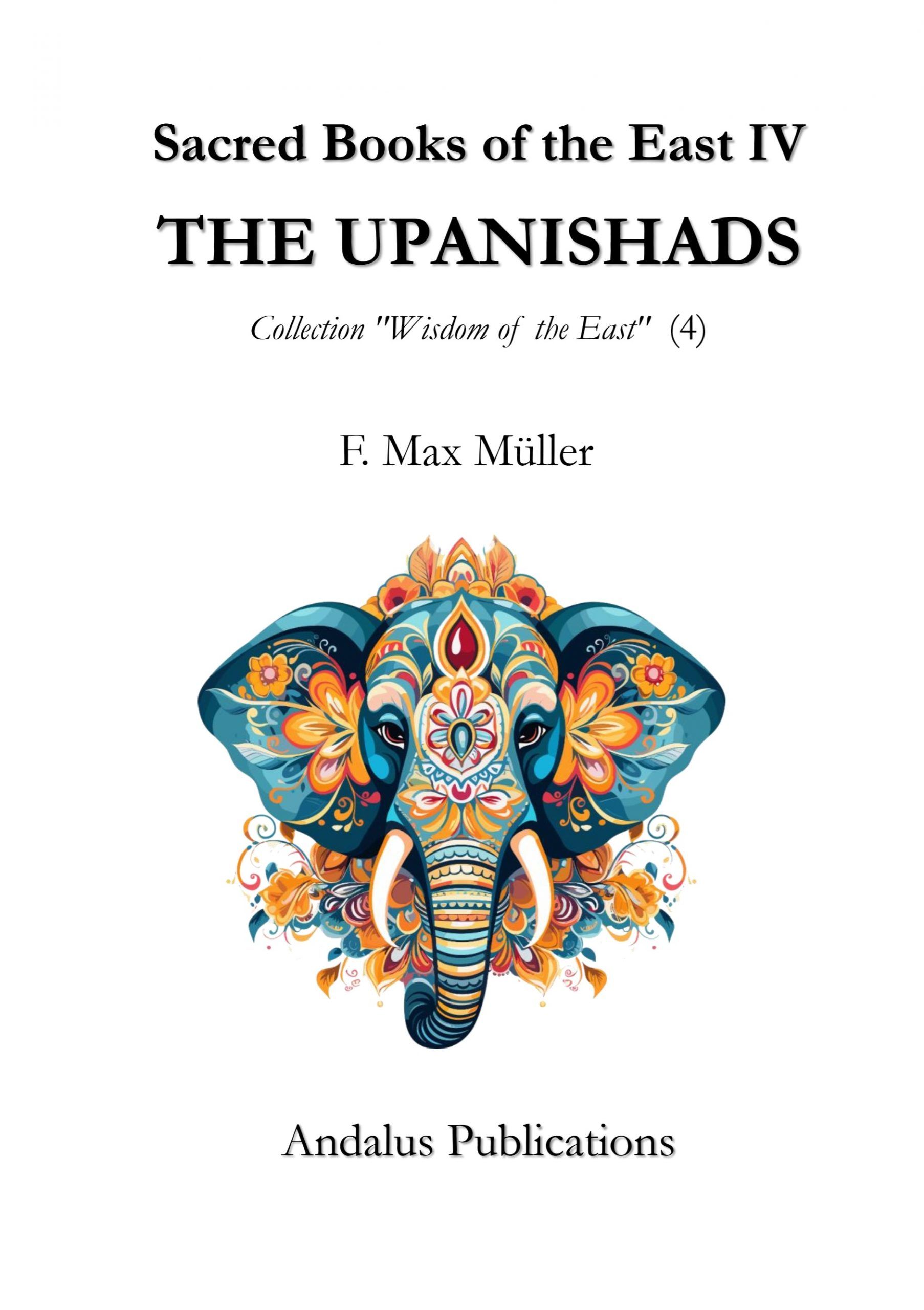
Descripción
The Upanishads are a collection of religious and philosophical texts of Hinduism, considered to be the final part or «Vedanta» of the Vedas, the oldest sacred texts of Hinduism. They are considered the final part or «Vedanta» of the Vedas, the oldest sacred texts of Hinduism and are composed of about 200 texts, of which 108 are considered the most important.
The Upanishads are believed to have been composed between the 8th and 6th century B.C., although some of them may be even earlier. They are texts that address fundamental questions about the nature of being, ultimate reality (Brahman), the self (Atman), cosmology, morality and the nature of existence.
The Upanishads are central to Hindu philosophy and have influenced a variety of Indian spiritual and philosophical traditions. They present a focus on inner search, meditation and understanding the true nature of reality. They also introduce key concepts such as karma (action and consequence), samsara (the cycle of birth and death) and moksha (liberation from the cycle of samsara).
The Upanishads are a treasure trove of wisdom and knowledge that continue to inspire people around the world. They offer a profound perspective on the nature of reality, the soul and the purpose of life. If you are interested in exploring Hindu philosophy, the Upanishads are an excellent starting point.
The «Wisdom of the East» collection includes a selection of texts from the Hindu, Buddhist, Zoroastrian and Muslim religions and philosophies.
Valoraciones
No hay valoraciones aún.