
Descripción
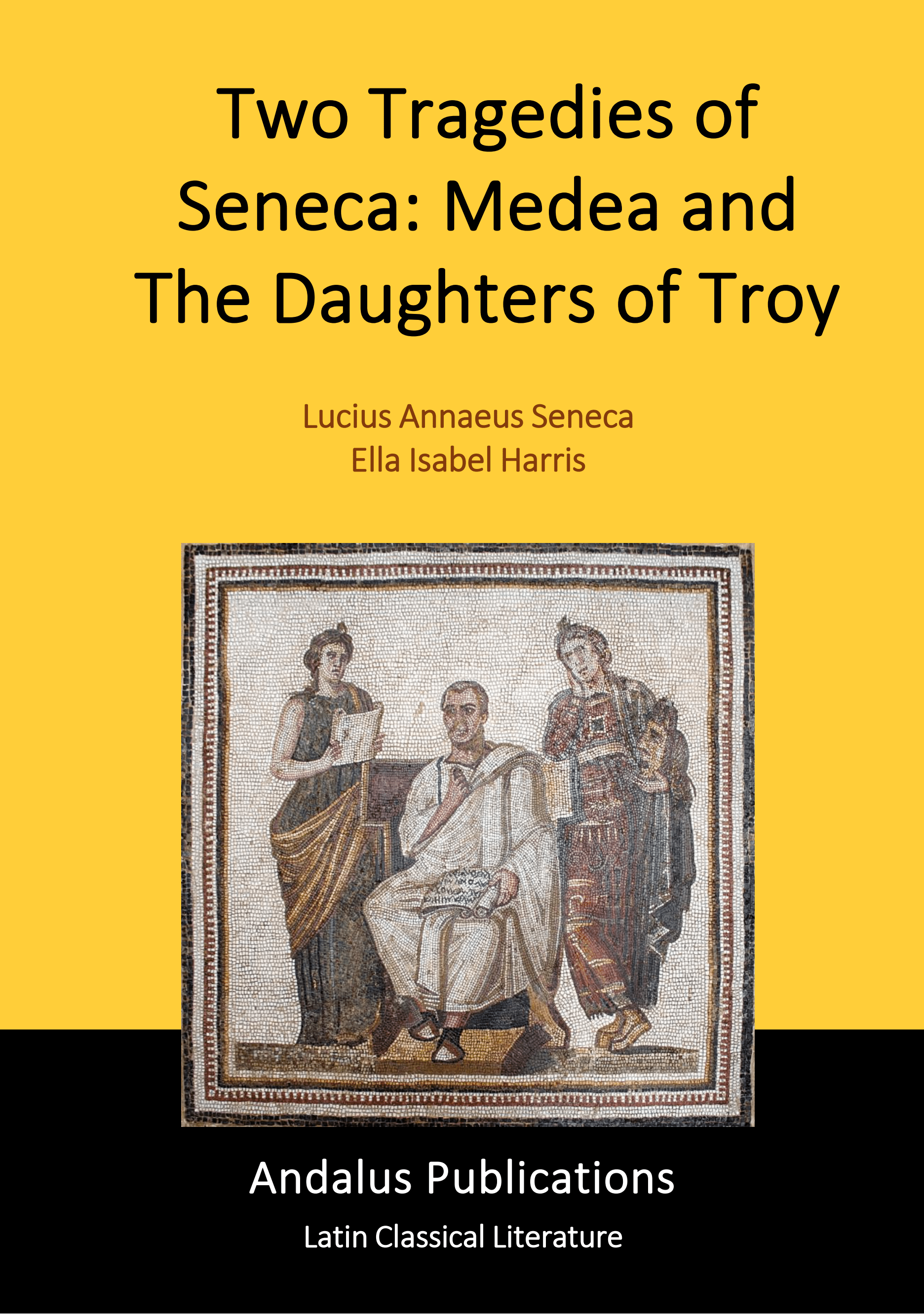
Lucius Annaeus Seneca’s Medea and The Daughters of Troy are two powerful tragedies that offer a compelling exploration of human emotion, morality, and the destructive consequences of passion. Seneca, a prominent Roman Stoic philosopher, uses these plays to delve into themes of revenge, love, and the limitations of human understanding.
Ella Isabel Harris’s translation of these tragedies is both faithful and accessible, capturing the dramatic intensity and poetic language of the original Latin. Her work allows readers to fully appreciate Seneca’s masterful storytelling and his ability to evoke powerful emotions.
Medea is a particularly striking example of Seneca’s tragic vision. The play tells the story of Medea, a sorceress who seeks revenge on her husband Jason for his betrayal. Medea’s descent into madness and her subsequent acts of violence provide a chilling portrayal of the destructive power of passion.
The Daughters of Troy is a less well-known tragedy but equally deserving of attention. The play focuses on the plight of the Trojan women who are captured by the Greeks after the fall of Troy. Through their suffering, Seneca explores themes of loss, resilience, and the human capacity for endurance.
These plays, originally written by the Stoic philosopher Lucius Annaeus Seneca, delve deep into themes of revenge, fate, and the devastating effects of human passions. Harris’ translation captures the essence of Seneca’s dramatic style while making the ancient texts accessible to modern readers.


Valoraciones
No hay valoraciones aún.