
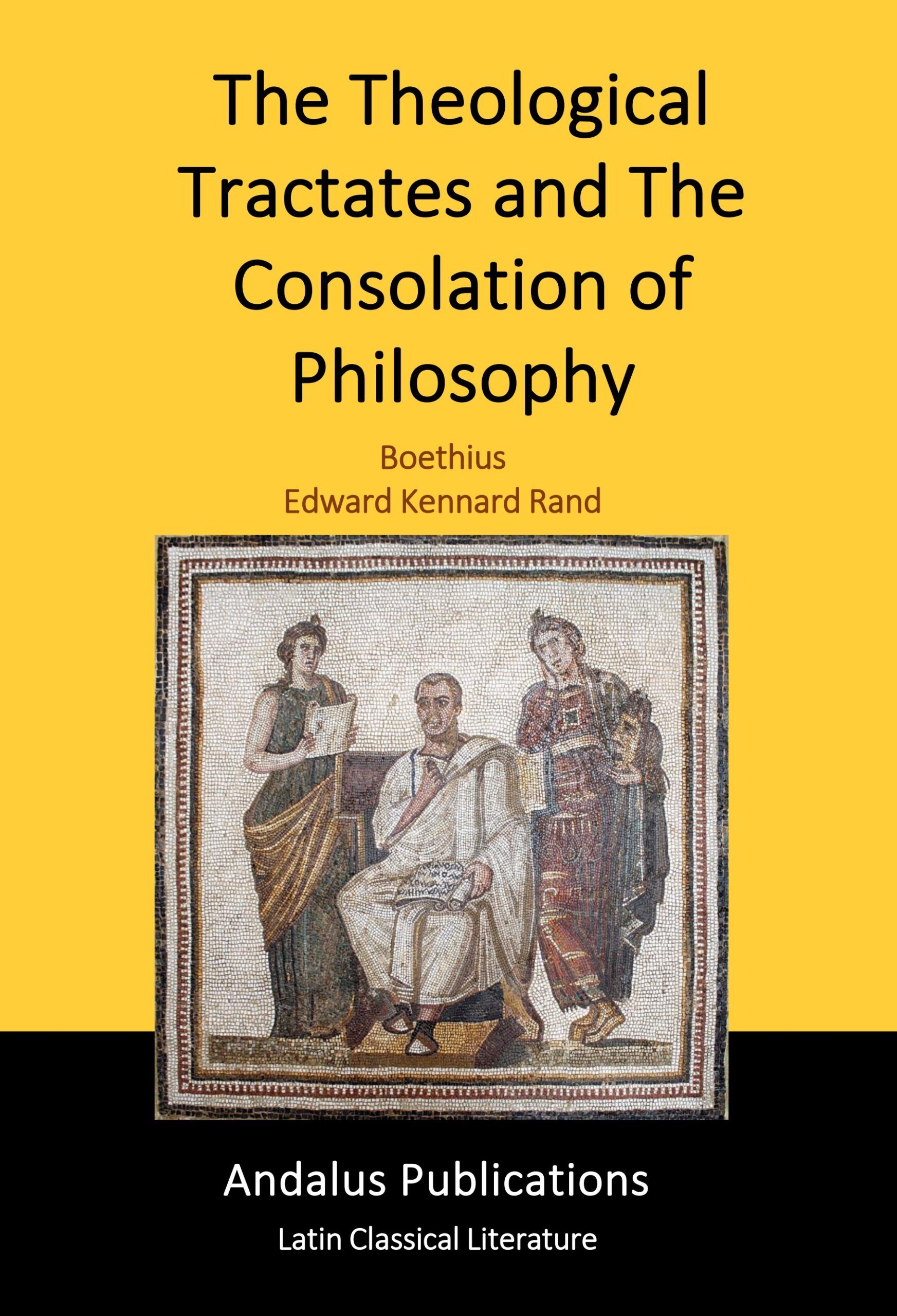
Descripción
Anicius Manlius Severinus Boethius, a prominent Roman philosopher, statesman, and theologian of the early 6th century, left an enduring legacy through his writings. Two of his most significant works, The Theological Tractates and The Consolation of Philosophy, continue to captivate readers and scholars alike.
These texts reflect Boethius’s role as a bridge between classical philosophy and early Christian thought, grappling with the complexities of theological issues using the logic and rigor of his philosophical background. His arguments are methodical and informed by Greek philosophy, particularly the works of Aristotle, whom he translated into Latin.
The Consolation of Philosophy, written later during his imprisonment, shifts to a more personal and philosophical tone. Facing condemnation and awaiting his execution, Boethius wrote The Consolation of Philosophy as a dialogue between himself and Lady Philosophy, personified as a wise, comforting figure.
This work explores the nature of happiness, the capriciousness of fortune, and the place of evil and suffering in the world. Without explicit references to Christian doctrine, Boethius contemplates universal themes that have resonated across religious and philosophical boundaries, drawing from Stoicism, Neoplatonism, and Aristotelian thought.

Valoraciones
No hay valoraciones aún.