Descripción
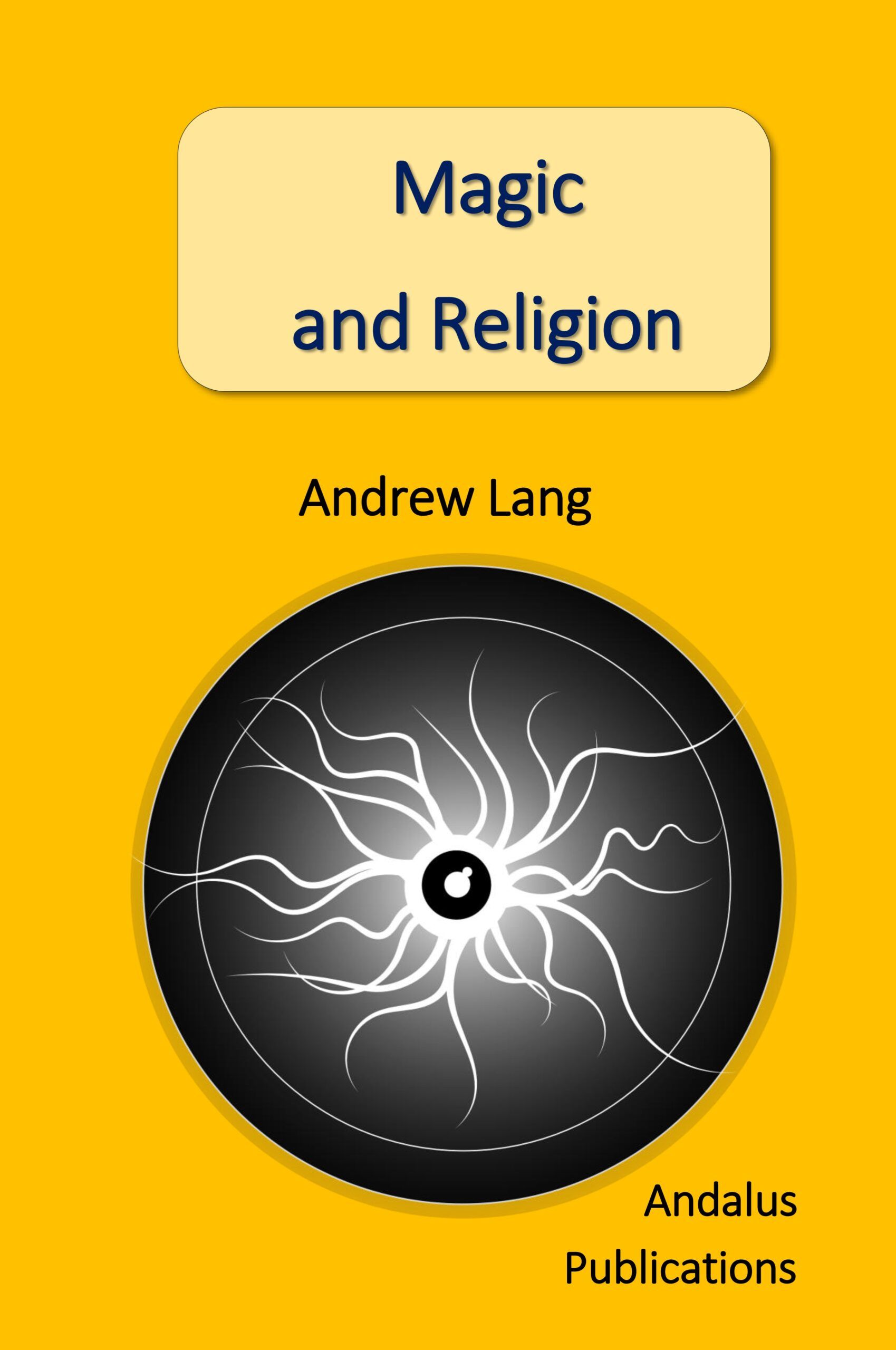
If you are interested in the fascinating connections between magic and religion, you will not want to miss the book «Magic and Religion» by Andrew Lang. This book is a classic work of anthropology that explores the origins, development and functions of magic and religion in human societies.
Lang draws on a wide range of sources, from ancient myths and legends to modern folklore and rituals, to illustrate the similarities and differences between magic and religion, as well as their interactions and influences on each other. He also examines the psychological and social aspects of magic and religion, such as the role of imagination, emotion, belief and tradition.
Andrew Lang, one of the founders of the modern study of folklore and mythology. In this book, Lang explores the relationship between magic and religion, tracing the origins and development of both phenomena across different cultures and historical periods.
He argues that magic and religion are not opposed, but rather complementary ways of interacting with the supernatural world, and that both have influenced each other throughout history. Lang covers topics such as animism, totemism, fetishism, shamanism, witchcraft, miracles, prophecy, divination, and more, drawing on examples from ancient Egypt, Greece, Rome, India, China, Africa, America, and Europe. He also examines the role of magic and religion in literature, art, and science, showing how they have inspired some of the greatest works of human creativity. Magic and Religion is a fascinating and insightful book that will appeal to anyone interested in the history of ideas, comparative religion, anthropology, or folklore.
Lang’s book is not only a scholarly masterpiece, but also a captivating and entertaining read that will appeal to anyone curious about the mysteries of human culture and spirituality.
Andrew Lang (1844-1912) was a Scottish poet, novelist, literary critic and anthropologist. He is best known for his collections of folk and fairy tales, which he edited with the help of his wife Leonora Blanche Alleyne and other collaborators. He also wrote original fairy tales, such as The Gold of Fairnilee, Prince Prigio and Prince Ricardo of Pantouflia. Lang was educated at the University of St Andrews and Balliol College, Oxford, where he excelled in classical studies.
He became a fellow of Merton College and later moved to London, where he worked as a journalist, critic and historian. He was a member of the Order of the White Rose, a Neo-Jacobite society, and was elected a Fellow of the British Academy in 1906. Lang was interested in folklore, mythology and religion from an early age.
He read works by John Ferguson McLennan and Edward Burnett Tylor, and published his own studies on these topics, such as Custom and Myth (1884) and Myth, Ritual and Religion (1887). He argued that the irrational elements of mythology were survivals from more primitive forms of belief and practice.
He also explored the origins and development of religion in The Making of Religion (1898), where he defended the existence of spiritual ideas among so-called «savage» races. Lang was an admirer of Homer and translated both the Iliad and the Odyssey into prose, with the collaboration of other scholars. He also wrote The World of Homer (1910), where he defended the unity and authenticity of the Homeric poems.
Lang was a prolific and versatile writer, who contributed to various fields of literature and scholarship. He died of angina pectoris on 20 July 1912 at Banchory, Aberdeenshire, and was buried at St Andrews.
Valoraciones
No hay valoraciones aún.